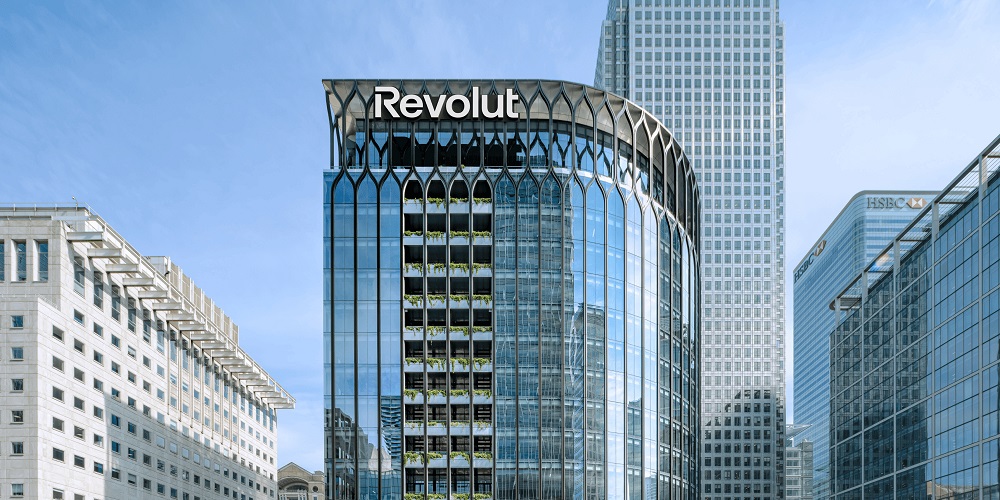
Most banks pay OpenAI or Anthropic for access to artificial intelligence. Revolut built its own, Pymnts.com reports.
The London-based neobank trained a proprietary model called PRAGMA on 40 billion transactions, app interactions and financial events drawn from 25 million users across 111 countries. It doesn’t answer questions or write emails. It makes decisions: who’s likely to commit fraud, who’s a credit risk, which customers are about to leave. According to Revolut, PRAGMA outperforms every task-specific system the company previously ran.
Mastercard announced in March that it’s building a generative AI model on hundreds of billions of anonymized payment transactions, with applications spanning fraud, loyalty and portfolio analytics. Plaid introduced a transaction model built to standardize how merchant data is read across institutions. As PYMNTS has reported, the companies that process the world’s payments are now training AI on the structured transaction data they’ve spent decades collecting.
PRAGMA sits apart from that group in two ways. Mastercard and Visa operate as networks: they see transactions, but not the full arc of a customer’s financial life. Plaid sees account data, but its model targets a specific problem, merchant name standardization, rather than a broad decisioning layer.
Revolut, as a neobank, holds the complete picture. It sees where customers spend, what they trade, how they move money internationally and how they navigate the app before and after each transaction. PRAGMA is trained on all of it, fused into a single representation of each user.





Banking 4.0 – „how was the experience for you”
„To be honest I think that Sinaia, your conference, is much better then Davos.”
Many more interesting quotes in the video below: