
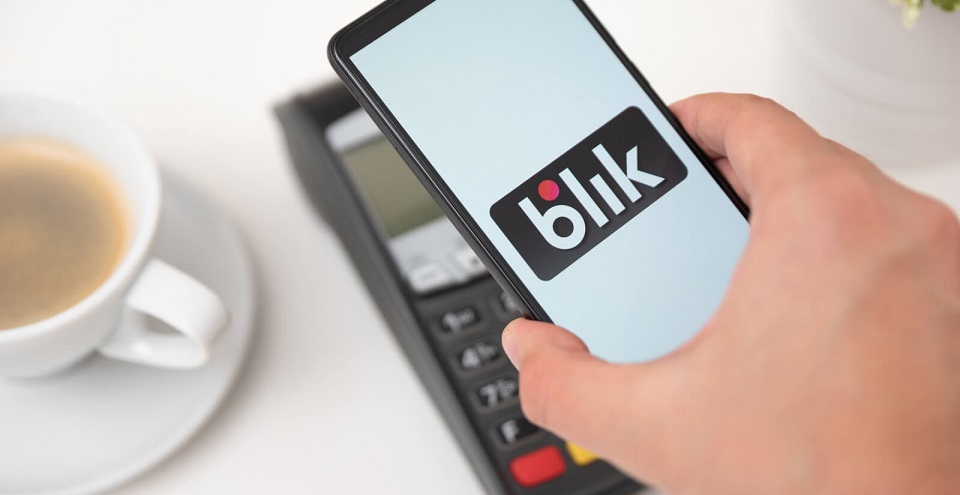
Between July and September 2026, BLIK users completed 822 m transactions with a total value of PLN 131.8 bn (EUR 29.80 bn) representing year-on-year increases of 10% and 17%, respectively. Nearly half of all transactions took place in e-commerce, where BLIK was used 384.3 m times to make payments totalling PLN 64 bn (EUR 14.48 bn). New services are also gaining traction, with the number of BLIK Recurring Payments reaching 2.9 m, more than double the figure recorded a year earlier. The number of active users continues to grow steadily, reaching 21.9 m at the end of September.
„Since the beginning of 2026, Poles have completed 2.4 bn BLIK transactions. In the third quarter alone, they used the system an average of 8.9 m times per day, making more than 100 transactions every second. On the busiest day of the quarter, the number of payments reached 13 m, while the average transaction value for the entire period stood at PLN 160 (EUR 36.2).” – according to the press release.
The value of transactions made using BLIK is growing faster than their volume. Compared with the same period last year, total transaction value increased by PLN 19.5 bn (EUR 4.41 bn). This trend is particularly evident in e-commerce, which remains the largest BLIK payment channel in terms of transaction volume.
Online payments accounted for 46.7% of all BLIK transactions in the third quarter. During this period, users made 384.3 m BLIK payments in online stores, an increase of 10% year on year. The value of these transactions rose by 18% to PLN 64 bn (EUR 14.48 bn), while the average online purchase amounted to PLN 167 (EUR 37.8).
BLIK’s development in e-commerce is increasingly extending beyond traditional one-off payments for purchases or bills. Alongside these transactions, solutions enabling users to manage recurring financial commitments or defer payments are becoming more significant. The continued expansion of BLIK’s service portfolio is making the system suitable for a wider range of shopping models. BLIK Recurring Payments are experiencing particularly strong growth. In the third quarter, users completed 2.9 m such transactions, twice as many as a year earlier.
Over the past few years, the development of e-commerce payments has primarily focused on simplifying the shopping experience and shortening the journey from product selection to transaction completion. Today, technology is opening up new possibilities. In the agentic commerce model, which we are actively testing, certain stages of this process can take place without the consumer’s direct involvement at the moment of purchase. This does not, however, mean giving up control over payments. Quite the opposite: it creates a need for new mechanisms to manage consent and ensure the security of such transactions. The September pilot demonstrated that BLIK not only responds to the changing needs of the market but also helps shape the future of payments
, comments Monika Król, Vice President of Polish Payment Standard, the operator of BLIK.
Transfers to phone numbers remain one of the most popular ways of using BLIK. In the third quarter of 2026, users completed 206.5 m such transactions, up 11% compared with the same period last year. Their total value reached PLN 38.5 bn (EUR 8.71 bn), compared with PLN 31.9 bn (EUR 7.22 bn) a year earlier. The average value of a single transfer to a phone number was PLN 187 (EUR 42.3).
Every day, Poles used this feature an average of more than 2.2 m times, sending money to one another without having to provide a bank account number. The sustained growth confirms that the service is widely used for everyday payments and settlements, including splitting bills and quickly transferring money to family and friends.
Between July and September 2026, users made 209.7 m BLIK payments in physical stores, representing an 11% year-on-year increase. The total value of these transactions reached PLN 13.5 bn (EUR 3.05 bn), while the average transaction amount stood at PLN 64 (EUR 14.48). Payments at terminals accounted for 25.5% of all transactions processed through the system.
In this channel, users make payments using BLIK codes almost as frequently as they use contactless payments. Between July and September, 98.1 m BLIK contactless transactions were completed, up 9% compared with the previous year. Their total value reached PLN 5 bn (EUR 1.13 bn), compared with PLN 4.3 bn (EUR 0.97 bn) a year earlier.
Contactless payments accounted for nearly 47% of all BLIK transactions made at payment terminals. The service also enables users to make purchases outside Poland. Since its launch, 4.1 m users have activated the feature, and Poles have made BLIK contactless payments in 181 countries worldwide. In the third quarter of 2026, they used the service for the first time in Bhutan, Algeria, Madagascar and the Central African Republic.
Between July and September 2026, users completed 21.6 m BLIK transactions at ATMs, an increase of 4.2% compared with the previous year. Of these, 18.5 m were cash withdrawals and 3.1 m were cash deposits. The total value of all ATM transactions reached PLN 15.7 bn (EUR 3.55 bn), while the average transaction amount stood at PLN 730 (EUR 165.20).
In the third quarter, users made an average of more than 100 BLIK transactions per second. The system continuously processes millions of payments, and we are constantly expanding it with new services and integrations. This requires us to consistently strengthen its performance, security and operational stability, even as we simultaneously increase BLIK’s availability outside Poland. We want to further develop our services and reach an ever-growing number of users across Europe. At the same time, we are committed to ensuring that using them remains simple and convenient
, adds Monika Król.
The third quarter brought several significant developments that further strengthened BLIK’s position in the payments market. In September, the National Bank of Poland classified BLIK as a systemically important payment system, placing it in the highest supervisory category for retail payment systems in Poland. The decision confirms BLIK’s growing importance to the country’s payment infrastructure and entails stringent requirements regarding transaction security, reliability and continuity.
Another important milestone in the development of BLIK’s services was the first BLIK contactless payment made on an iPhone, completed through PKO Bank Polski’s PKO Junior app. The pilot represents a significant step towards making BLIK contactless payments available to iOS users and paves the way for further expansion of the service’s accessibility. At the same time, BLIK continued to expand its international reach. In September, it became available in the mBank SK app, making mBank the second bank in Slovakia to offer this payment method.
Cooperation with the Stripe platform was also expanded. With BLIK now included among Stripe’s dynamic payment methods, online merchants in more than 30 countries can automatically offer BLIK to Polish customers without requiring any additional integration.
The third-quarter results confirm that BLIK continues to grow at a strong pace, giving us a solid foundation for further investment. We are currently pursuing several major initiatives in parallel, focused on expanding our services and bringing BLIK to more markets. In some areas, investment is running ahead of the business returns. That is why, alongside our current financial performance, we also look at the company’s ability to fund the next stages of its growth. At its current scale, PSP is well positioned to finance these initiatives from its own resources, without having to change its existing funding model
, says Katarzyna Matuszczyk, Member of the Management Board and CFO at Polski Standard Płatności, the operator of BLIK.
___
BLIK is a common standard for mobile payments. The option to use BLIK in mobile banking applications is now available to virtually every customer of domestic payment institutions offering a mobile app. The company Polski Standard Płatności (PSP) is responsible for developing the system. PSP continuously enhances BLIK’s functionality to make the system as user-friendly and versatile as possible. The shareholders of PSP are Alior Bank, Millennium Bank, Erste Bank Polska, ING Bank Śląski, mBank, PKO Bank Polski, and Mastercard.

Banking 4.0 – „how was the experience for you”
„To be honest I think that Sinaia, your conference, is much better then Davos.”
Many more interesting quotes in the video below: