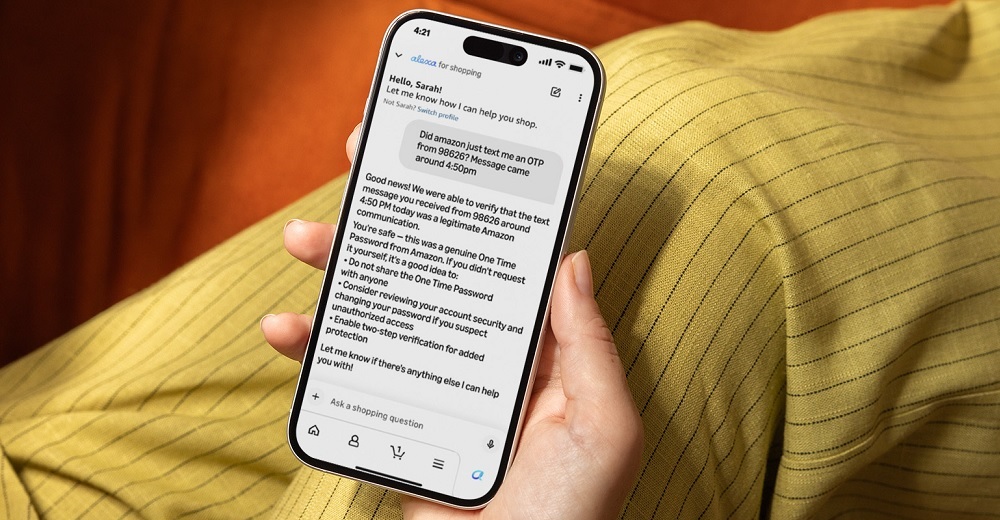

More than one in ten online shoppers are expected to routinely use AI agents to purchase products on their behalf by 2030, according to a new Mastercard report.
Three hundred million shoppers will use AI agents on a routine basis by 2030, mainly in countries like the US, UK, Netherlands, China and South Korea. They will often do so without realizing it, as part of their normal, day-to-day online shopping experience. In many cases, that will mean that products or services are automatically chosen and paid for.
The future of commerce is not defined by AI alone
What if shopping became less about searching and comparing, and more about simply achieving the outcomes we want?
For decades, technology has helped simplify decisions, information and everyday tasks. Today, AI agents are beginning to act on people’s behalf, helping them search, compare, decide and transact within the boundaries they set. As these capabilities evolve, a new question is emerging: not what AI agents can do, but whether people will trust them to act on their behalf.
The future of commerce will not be shaped by AI alone. It will be shaped by trust, transparency and safeguards that allow people, businesses and financial institutions to participate with confidence. As software gains the ability to act on behalf of consumers and businesses, trusted identities, secure authentication and clear authorization become critical to ensuring people remain in control.
Drawing on expert perspectives and new consumer research, the report explores three perspectives on the future of commerce:
. How AI agents could transform the shopping experience and accelerate the move from doing to delegating
. What agentic commerce means for retailers, customer relationships and competition
. How payments, identity, authorization and trust infrastructure must evolve to support autonomous transactions
Five Big Predictions for the Future of Shopping
1. Slow websites will lose up to 80% of online sales – By 2030, a website that loads slower than three seconds will risk losing 80% or more of sales. Already, 90% of smartphone users press the back button if a web page takes longer than five seconds to load. The focus will be on making life easy and intuitive using agentic AI.
2. Search engines will turn search results into sales – Search engines will attempt to convert search into sales, but expect push back. By 2030, most governments will insist on a “wall” between search results (including AI advice) and retail purchases to protect customers and ensure choice. This will force agentic commerce across multiple platforms, with larger retailers implementing AI shopping on their own websites.
3. Price comparison websites will shift to agentic commerce – Flights, hotels, car hire, and car insurance purchases involve complex decisions and take a lot of time to navigate. AI agents could find the exact customer solution and save time, submitting passport and other personal information on the route to instant payment. A legal hurdle will be who is responsible for a contract that’s pre-authorized at a set budget by a customer – especially in a non-refundable situation.
4. Consumer use of agentic commerce to be led by US, UK, China and South Korea – Speed of agentic commerce development will vary between nations. In the UK, online retail is twice that of France (28% vs. 14%). Asia will see faster growth in agentic commerce than most other regions. The difference is mainly about trust in digital tools.
5. Growth of agentic commerce will create new consumer risks – Consumers are conservative about money issues and their preferred partners in agentic commerce will be the providers and institutions they already know and trust. Headlines about AI risks related to cyberattacks are to be expected and this will slow the adoption of agentic commerce.
What the futurists are saying:
“By 2030, a website that loads slower than three seconds will risk losing 80% or more of sales.” – Patrick Dixon, Author, “How AI will change your life”.
“By 2030, your biggest customer is a network of agents with a genuine internal org chart and you can watch it negotiate with itself.” – Katja Forbes, Author, “Machine customers: The evolution has begun”.
“In the agentic world, trust is not a sentiment, but a property – with machine-readable terms.” – Theodora Lau, Author, “Banking on (artificial) intelligence”.
“The future of commerce will not be defined by which agents are fastest, smartest or cheapest. It will be defined by which systems people trust enough to delegate to.” – Magnus Lindkvist, Co-author, “How to make AI useful”.
Download the report: A SHORT HISTORY OF THE FUTURE OF SHOPPING AND PAYMENTS
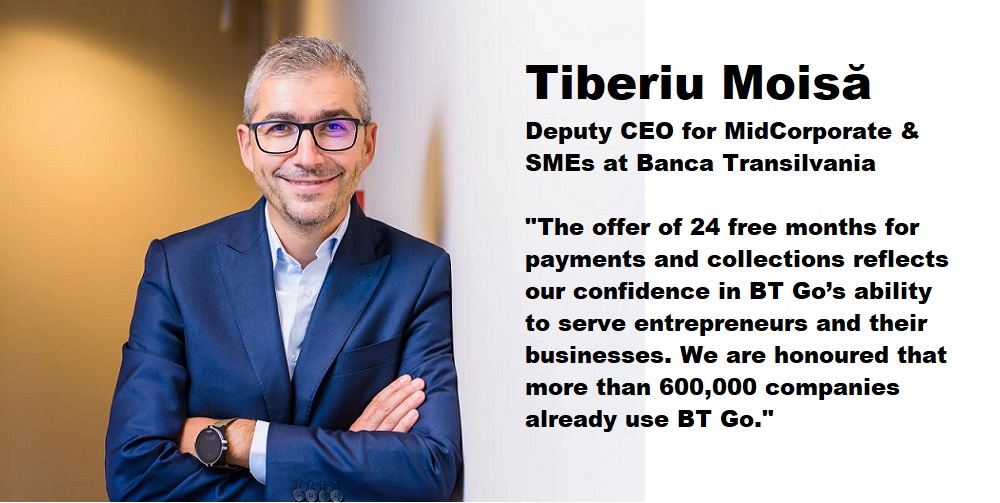
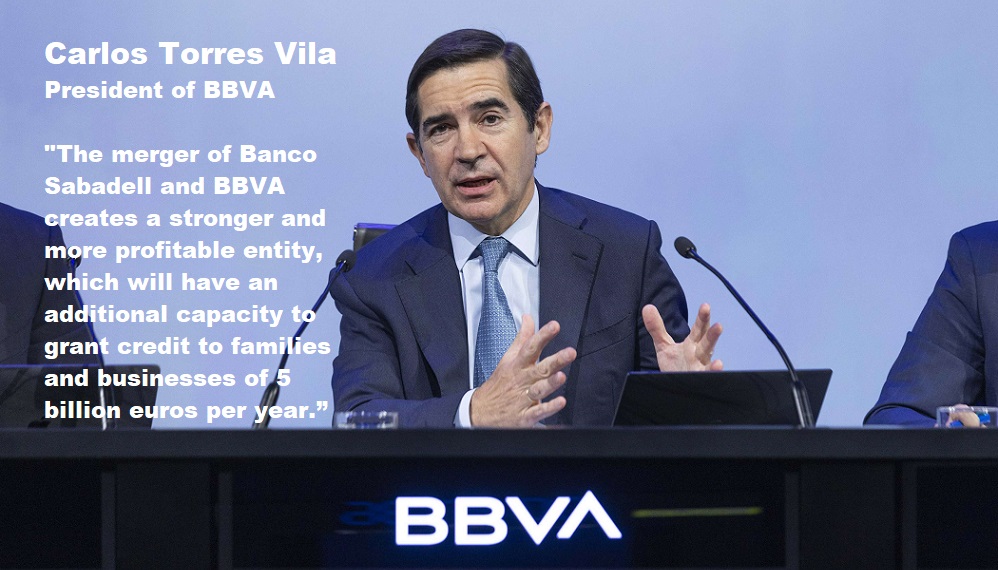
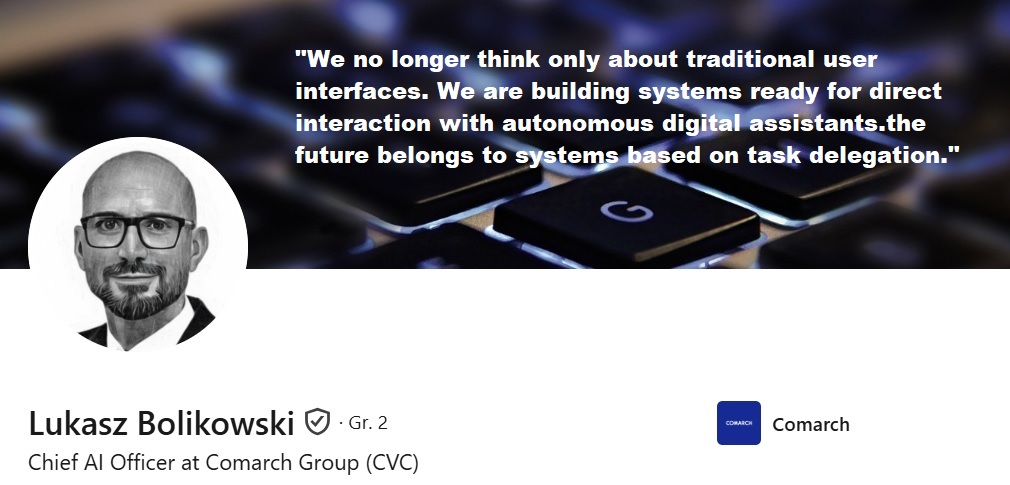



Banking 4.0 – „how was the experience for you”
„To be honest I think that Sinaia, your conference, is much better then Davos.”
Many more interesting quotes in the video below: