
Theft using synthetic identities now accounts for 11 percent of all reported fraud, making it the fastest-growing fraud type worldwide, a new analysis from LexisNexis Risk Solutions reveals. The frequency of synthetic identity fraud increased eight-fold in 2025, showing a shift in fraudsters’ tactics, according to the data analytics company’s latest Cybercrime Report.
Fraudsters are investing time to learn and utilize the latest technologies like generative AI to create ever more sophisticated synthetic identities that appear authentic, even including fraudulent historical backup data. Synthetic identities are now very much a global issue.

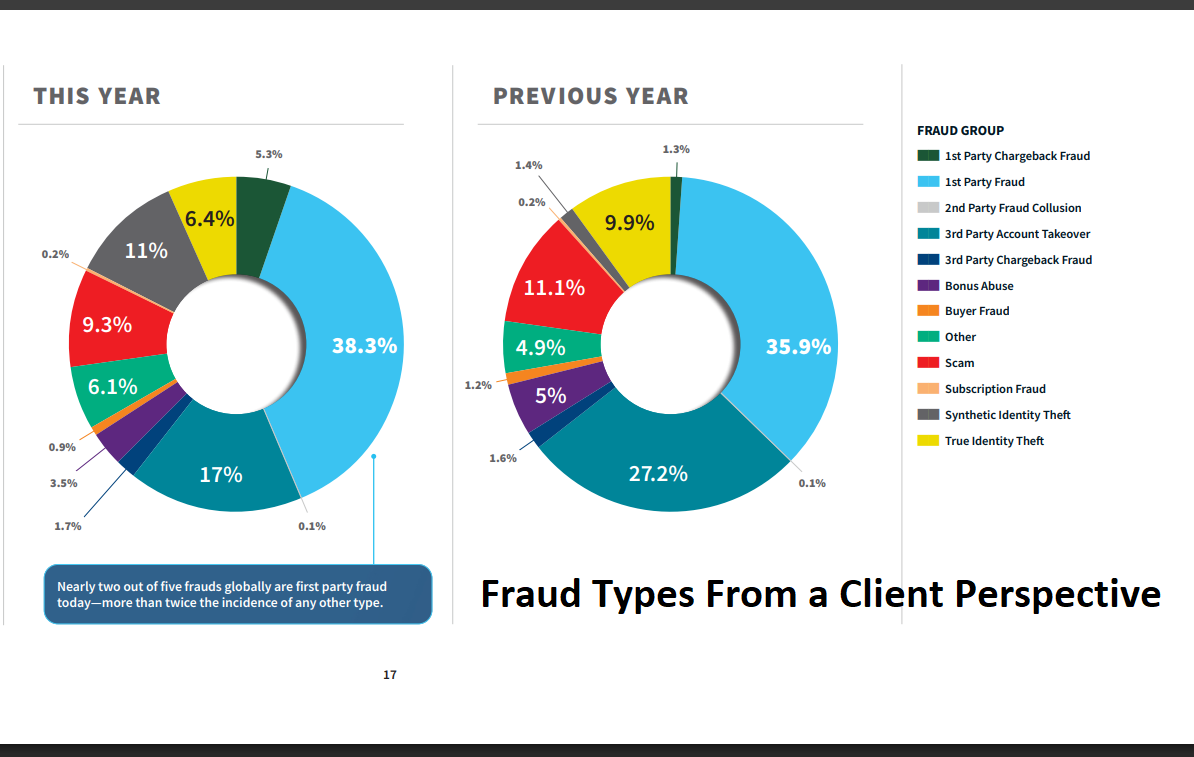
Once considered mainly a U.S. problem, the trend of using generative AI has now spread worldwide, with Latin America recording a strong rise in synthetic identity theft in 2025, accounting for nearly half of all theft. This rise is linked to the growth of regulated gaming and gambling in the region, according to the report.
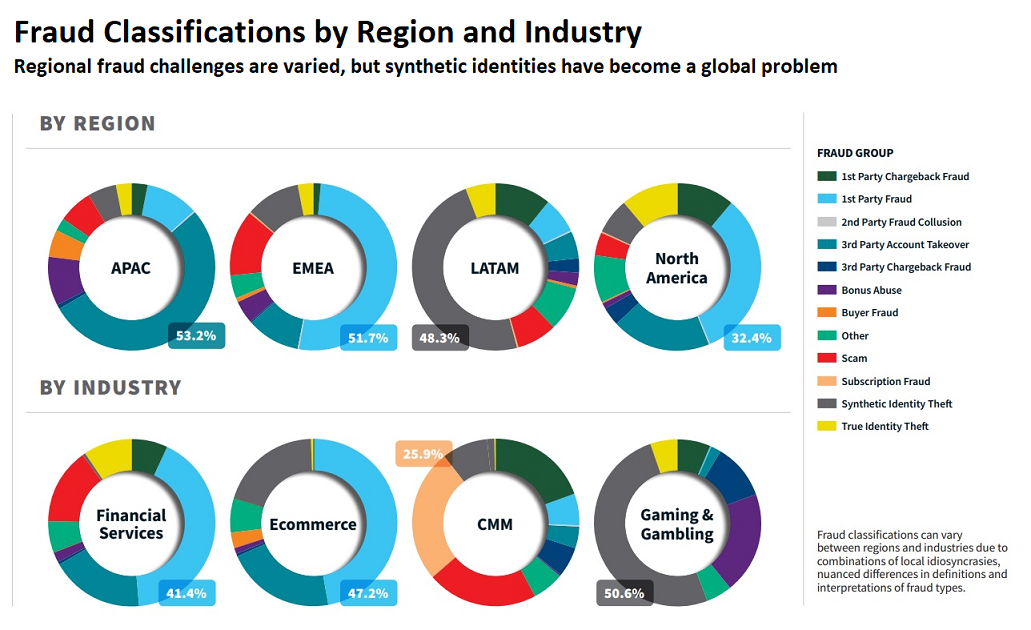
The most significant change at an industry level in 2025 is that the use of synthetic identities is being widely reported in ecommerce, CMM and gaming and gambling. Of the three industries, only CMM had noted this effect the previous year (in fact, synthetic identity abuse had generally declined that year).
First-party fraud and account takeover still reign supreme
Despite its prevalence, synthetic identity fraud ranked only third among fraud types recorded by LexisNexis in 2025.
The number one spot, with a 38 percent share, belongs to first-party fraud, which involves customers using their own identities to commit fraud, such as falsely disputing charges or failing to repay loans. This is followed by third-party account takeover (ATO), a form of identity theft in which malicious actors gain unauthorized access to user accounts. ATO fraud represented 17 percent of all recorded fraud.
The numbers are based on 116 billion online transactions detected through the firm’s anti-fraud platform, the LexisNexis Digital Identity Network. Transactions were recorded in the financial services, e-commerce, communications, mobile and media (CMM) and gaming and gambling.
The Cybercrime Report, published in March, revealed other notable trends. The use of malicious bot attacks rose nearly 60 percent last year, as bots improve at mimicking human behavior, such as moving mouse cursors.
Agentic traffic rose a whopping 450 percent in 2025, driven mainly by credit card payments and logins to gaming and gambling sites. While the activity of AI agents does not necessarily constitute fraud, the trend has shed light on the challenges of detecting fraud in a world where transactions are conducted by bots.
“Cybercriminals are experimenting with the same technologies that are transforming digital commerce and organizations must prepare for a future where both legitimate users and malicious actors rely on automated agents to interact online,” says Stephen Topliss, vice president of fraud and identity at LexisNexis Risk Solutions. “Those that succeed must be able to confidently distinguish between humans, bots and agents as well as determining intent.”






Banking 4.0 – „how was the experience for you”
„To be honest I think that Sinaia, your conference, is much better then Davos.”
Many more interesting quotes in the video below: