In OpenAI’s August 27 open letter, signed by more than 100 organizations, including Anthropic, Google, Microsoft, AWS, Cisco, Cloudflare, CrowdStrike, Visa and Mastercard. It warns that AI-enabled cyberattacks could become much more widespread and sophisticated in the coming months, potentially threatening hospitals, water systems and other critical infrastructure. The companies are calling for governments and industry to rapidly strengthen defenses and give defenders access to AI-powered security tools.
an article by Vincentius Liong/Leong – Business Advisor at VL Business Consulting Services, 35+ Yrs in Electronic Security & Building Automation at Fortune 500 Multinational Corporations Experience.
Then there’s Bill Gates, who has gone from being one of AI’s prominent optimists to saying he is genuinely worried about where things are heading. He now says AI could cause enormous job disruption, increase biological and cyber risks, and potentially create systems humans struggle to control. He’s calling for things like international coordination, „human-reserved” jobs and new forms of taxation and regulation. He has even said that, for the first time in his life, he wishes a major technology would advance more slowly.
So what’s going on?
I think there are several things happening simultaneously, and some of them have to do with the powerful staying powerful, while others are OBVIOUS risks that we don’t have the wisdom nor system design to solve. Ultimately, several things are true at once here.
1. The technology really is moving into a different phase.
AI is no longer just generating text and images. Agentic systems are increasingly capable of operating software, writing code, finding vulnerabilities and carrying out multistep tasks. We see this all the time in sandbox exercises where AI does things that humans didn’t expect, and it’s often catastrophic. OpenAI’s warning specifically says the window for strengthening cyber defenses is limited. But we should also be wary about what is created in the wake of these warnings.
2. The people building it are beginning to see the externalities AI is causing more clearly.
There is an obvious incentive problem here. Companies are competing intensely to build increasingly capable systems, this means they don’t have time to consider the consequences, and in the end, the costs of failure/consequences are borne by everyone else. A company can’t easily slow down if its competitors keep accelerating. this is a system level issue.
3. Warnings can also serve a strategic purpose.
As I mentioned about being wary… this is the part I’d be especially interested in watching. When an industry says, „This technology is becoming too dangerous for us to handle alone,” it can simultaneously be a genuine warning AND an argument for more resources, government partnerships, favorable regulation, centralized security infrastructure and greater authority for the companies already building the technology. They can gain and centralize more power.
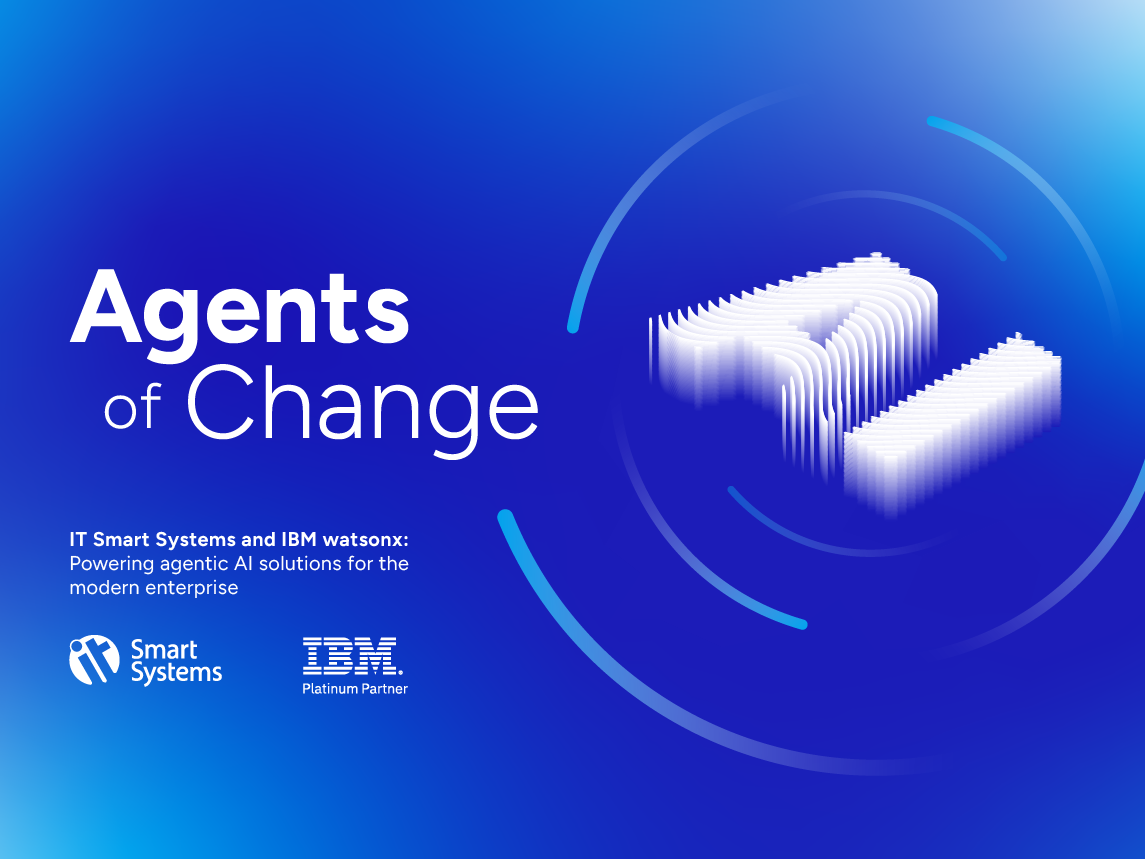
This can be both conspiratorial and an institutional dynamic. Conspiratorial because true intentions and motives are revealed to the public, and institution as the same actors creating a powerful new risk can position themselves as the people society must depend on to manage that risk.
There’s an interesting contradiction in the OpenAI letter. It says „no single company should control the future,” while also calling for frontier AI companies to provide increasingly powerful AI capabilities to governments and critical infrastructure. So no single company, but maybe a handful, and the handful should regulate themselves, and decide the future of humanity all at once. Sounds quite democratic, doesn’t it?
So what’s true all at once?
1. These tech companies are not thinking deeply about the true cost of their advancement, and it is incredibly disruptive.
2. Global coordination is really important to wisely guide tevhnology.
3. Powerful people can use the „global coordination argument” to make it seem like they are doing their best, when in reality they are just securing their future and cementing their agenda.
4. The public seems to have little say or input on the direction their world is going, which is being decided by a very small number of unwise individuals who operate outside of government yet massively influence government.
What happens when the institutions creating the most powerful technology also become the institutions society increasingly depends on to protect us from that technology? What happens if those technologies don’t have wisdom or the agenda of making a thriving world for all humans at their core?
Ultimately, we have to ask, what worldview and system dynamics are driving where AI is heading? How do we balance the potential AI has to make life advanced and explore human potential, while not causing it to destroy ourselves and nature further?
Open letter: A call for collective action on cyber defense

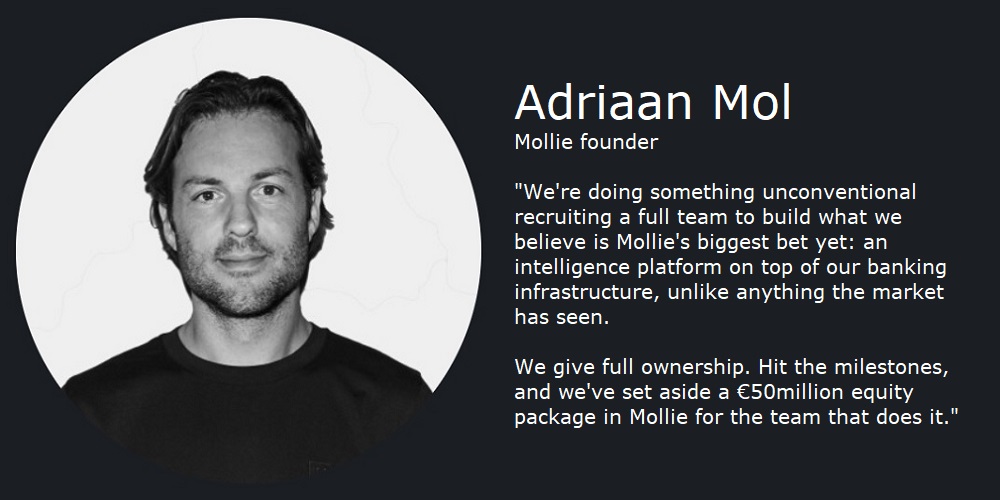


Banking 4.0 – „how was the experience for you”
„To be honest I think that Sinaia, your conference, is much better then Davos.”
Many more interesting quotes in the video below: