CaixaBank obtains a MiCA licence and becomes an entity that is authorised to operate with crypto-assets in the European Union
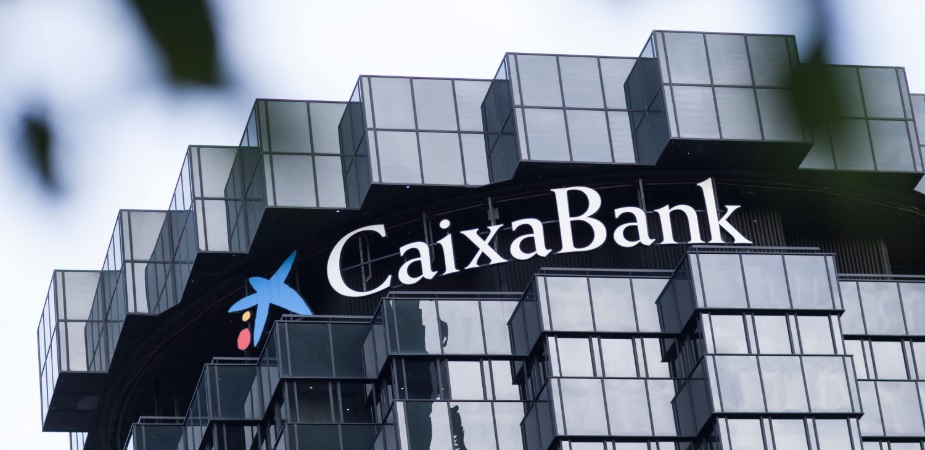
The authorisation allows it to offer custody and trading of crypto-assets under a fully regulated framework for customers.
CaixaBank has obtained authorisation as a Crypto-Asset Service Provider (CASP) under the MiCA (Markets in Crypto-Assets) Regulation. „The authorisation granted by the CNMV allows it to provide crypto-asset services under the new common regulatory framework of the European Union.” – according to the press release.
The MiCA licence enables CaixaBank to offer services such as custody of crypto-assets, reception, transmission, and execution of buy and sell orders, and transfers of crypto-assets. This means the bank will allow its customers to access these services with maximum operational security and full regulatory compliance.
„This accreditation allows the bank to advance its proposals based on digital assets, while responding to growing customer demand within a safe, transparent, and fully regulated environment. In the coming months, CaixaBank will launch crypto-asset services under the MiCA Regulation.” – the bank said.
The MiCA Regulation, which is in force across the European Union, establishes a harmonised framework for crypto-asset activity and strengthens investor protection, although investment in crypto-assets remains risky due to factors such as high asset volatility, the absence of investor compensation schemes, and technology-related risks.
With this step, the bank continues to drive its digitisation strategy and explore new financial service models, developing innovative products for its customers, always with maximum security and regulatory rigour.
Through its digital banking platform and imagin, CaixaBank has already allowed investment in exchange-traded products (ETPs) designed to replicate the performance of bitcoin since last year.
Leadership in digital payments
CaixaBank has become an international leader in financial services and innovative payment methods. In the field of digital money, the bank is part of Qivalis, a consortium of twelve European banks working to create a euro-linked stablecoin, a blockchain-based digital payment instrument aimed at becoming a trusted benchmark in the European financial ecosystem.
In addition, CaixaBank is collaborating with the European Central Bank (ECB) on the future launch of the digital euro. CaixaBank was the only bank selected to participate in this initiative and co-developed with the European Central Bank a prototype P2P payment wallet using the digital euro. CaixaBank’s extensive experience and leadership in innovation and payment systems, as well as the quality of its services, internal project development capabilities, and market coverage, were among the factors considered in the ECB’s selection process.
With more than 12 million users of its digital banking platform—the largest digital customer base in the Spanish financial sector—the bank works daily to develop new models that allow it to meet the demands and needs of its customers, bringing products, services, and financial literacy closer to all citizens. In addition, through its subsidiary CaixaBank Payments & Consumer, CaixaBank is the leading payments provider in the Iberian market.






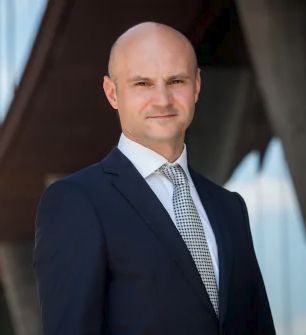
Dariusz Mazurkiewicz – CEO at BLIK Polish Payment Standard
Banking 4.0 – „how was the experience for you”
„To be honest I think that Sinaia, your conference, is much better then Davos.”
Many more interesting quotes in the video below: