
In the BIS Working Papers No 1329, the authors investigate the adoption and welfare effects of digital wallets in Peru, analysing what drives their success and their impact on consumer welfare. A small fee increase of PEN 0.01 (USD 0.003) would reduce digital wallet use by 0.31 percentage points (pp), benefiting debit cards and cash.
The authors of the report use a demand estimation model with aggregate-level market share data for seven payment instruments in Peru. They identify key features behind the success of digital wallets, such as free transactions, 24/7 instant payments, quick response (QR) code functionality, and interoperability with point-of-sale (POS) terminals, and also measure how these wallets have improved convenience and consumer welfare.

The authors show that lower fees and the 24/7 availability of funds, as well as features like QR code payments and POS interoperability, make payment instruments more attractive to end users. A small fee increase of PEN 0.01 (USD 0.003) would reduce digital wallet use by 0.31 percentage points (pp), benefiting debit cards and cash. Simulations also reveal that removing 24/7 transfers would cut digital wallet use by 15.75 pp, discontinuing POS payments by 26.01 pp and eliminating QR functionality by 4.45 pp. Digital wallets have significantly enhanced consumer welfare, increasing per-transaction benefits by 68% as of April 2024.
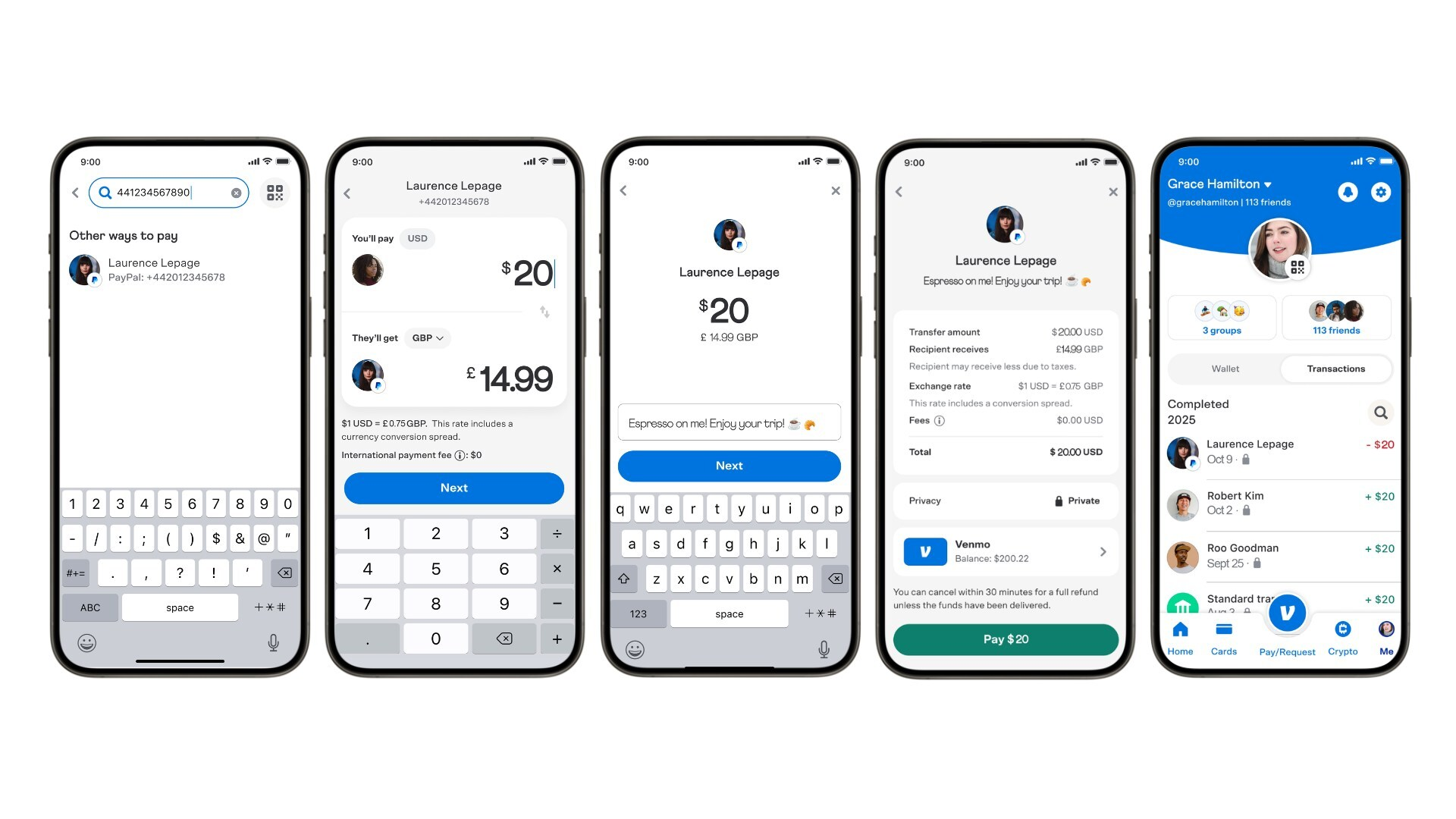
Digital wallets like Yape and Plin have gained widespread popularity in Peru, allowing users to make instant payments through quick response (QR) codes or mobile phone numbers. This paper examines the drivers of their adoption and their impact on everyday life.
Using market share data for six digital payment instruments and cash from January 2019 to April 2024, the authors estimate the demand for payment instruments and find that features such as lower fees, 24/7 immediate payments, QR code payments, and interoperability with point-of-sale (POS) terminals are key to their success.
Their estimates suggest that a PEN 0.01 (USD 0.003) increase in payer fees would reduce the market share of the digital wallets by 0.31 percentage points (pp), while debit cards and cash would gain usage.
Simulations further indicate that removing 24/7 immediate transfers would reduce digital wallet usage by 15.75 pp, discontinuing POS payments by 26.01 pp, and eliminating QR code functionality by 4.45 pp.
Furthermore, the findings suggest that the adoption of digital wallets has contributed to a sustained increase in consumer welfare per transaction among banked individuals over time.
More details: BIS Working Papers No 1329




Banking 4.0 – „how was the experience for you”
„To be honest I think that Sinaia, your conference, is much better then Davos.”
Many more interesting quotes in the video below: