
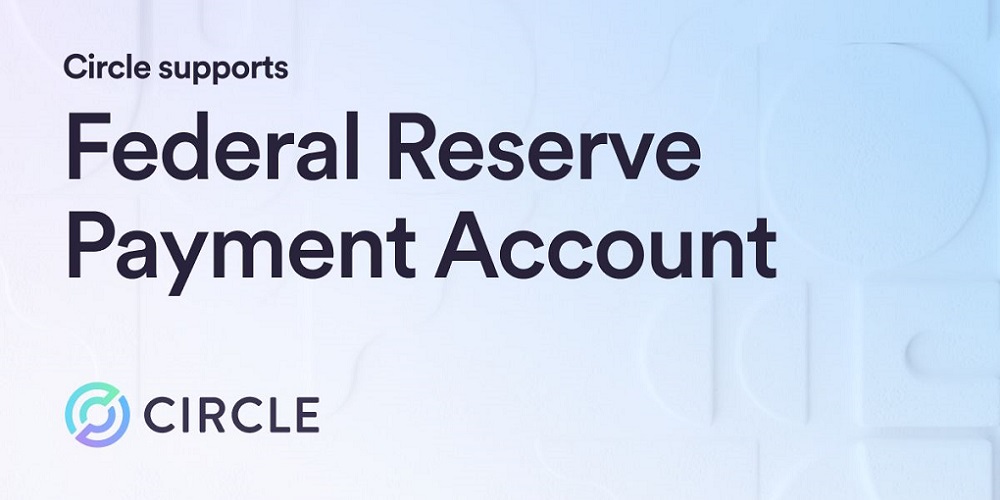
Circle has officially backed the Federal Reserve’s proposal for a “skinny payment account” — a limited Fed account that would give stablecoin issuers direct access to Fed payment rails without becoming full banks. This framework doesn’t just help $USDC. It sets the regulatory pathway for companies like Ripple (which got conditional approval to become National Trust Bank) — to operate bank-like infrastructure inside the Fed financial system without needing a traditional bank charter. This would give crypto firms direct access to Fedwire and FedNow, cutting out middleman banks.
The U.S. payments system now runs 24/7/365 for everyday consumers, but settlement infrastructure and access models still reflect a world with bottlenecks, delays, and incompatibility between systems. The Federal Reserve’s proposed Payment Account prototype is a constructive, targeted step toward modernizing the U.S. payments space, establishing a payments-only pathway to key Federal Reserve services designed to reduce friction and risk and support the evolution towards a 24/7, retail-facing, high-throughput ecosystem.
The Federal Reserve’s prototype account offers a pragmatic way to modernize settlement while preserving the Federal Reserve’s longstanding risk and monetary policy safeguards. Circle appreciates the Board’s leadership in exploring this model which would align with approaches taken in the UK and EU where payments institutions have been granted access to central bank settlement services.
„We look forward to continued engagement to help ensure the Payment Account prototype delivers a more efficient, inclusive, and resilient U.S. payments system—one that meets today’s demands while safeguarding financial stability.” – Circle said.
Circle submission emphasizes three priorities that the company believes will make the prototype more effective and more resilient in practice:
1. Keep the model tightly scoped but make it work for always-on payments
The strength of the Payment Account concept is that it is risk-controlled by design with prefunding, automated reject controls, and no daylight overdrafts that together create a safe settlement utility that can improve reliability and reduce reconciliation delays. To deliver those benefits in the real economy, the Payment Account’s operational window should stay aligned with the Federal Reserve’s direction of travel on service hours—so “payments-only” access does not unintentionally recreate cutoff frictions for institutions supporting consumer and business payments that run continuously. 
2. The account structure should be flexible enough to handle peak windows and stress periods
Balance limits can be effective tools to reinforce that a Payment Account is a settlement tool – not a place to warehouse funds—particularly during the rollout of the proposed prototype. But limits that are too rigid can backfire, binding high-throughput firms during weekends, quarter-end, holidays, or stress events – exactly when the system most needs settlement capacity to be dependable.
„We encouraged the Federal Reserve to retain flexibility in applying any caps so that they allow payments activity to scale subject to appropriate safeguards and pre-determined requirements.” – Circle explained.
3. Expand utility thoughtfully—where it reduces risk and improves settlement resilience
The Payment Account prototype will increase the resiliency of the overall payment system, supporting a safer, less balkanized payments system. To help support a more efficient and integrated national payments sector, Circle encourages the Federal Reserve to consider a few targeted enhancements to its prototype, including:
. Provide overdraft-controlled FedACH access given ACH’s central role in payroll, government, and nationwide disbursements.
. Expand access to Fedwire Securities Service to include pre-funded delivery-versus-payment for eligible payment stablecoin issuers, to improve post-trade mobility of Treasuries used in reserve management and better coordinate securities and cash movements.
A practical path to a stronger U.S. settlement system
„We see the Payment Account prototype as a pragmatic way to strengthen U.S. payments: more direct settlement, less counterparty risk for both banks and payments institutions, and better alignment with a 24/7 economy, all while preserving the Federal Reserve’s core safeguards. Such measures support innovation while making the payments space more competitive, inclusive, and safe. Circle looks forward to supporting that vision through implementation of this prototype.” – the company concluded.
View Circle’s full response.







Banking 4.0 – „how was the experience for you”
„To be honest I think that Sinaia, your conference, is much better then Davos.”
Many more interesting quotes in the video below: