When Ireland became, as some people put it, „the cheque republic”.
an article by David Birch, International keynote speaker, author, advisor, commentator on and investor in digital financial services.
Having been involved in a discussion about payment system resilience recently, I thought I would repost a case study to show that if you lose all of your money you can survive, so long as you keep your identity.
Strikes One, Two and Three
When there is no cash, life can go on. We know this is true because there is a very good historical case study of what happens when cash vanishes. I covered it in my book on the history and future of money, “Before Babylon, Beyond Bitcoin”, and it is worth exploring it again here: the Irish bank strikes from 1966 to 1976.
As I set out in the book, Ireland experienced three major bank strikes between 1966 and 1976, most famously in 1970, when most commercial banks shut for about six months yet everyday economic activity continued using cheques and informal credit in place of cash. The coordinated industrial disputes shut Ireland’s main “associated banks”, which banks held almost two-thirds of deposits, so their closure effectively froze most current accounts and disrupted normal cash withdrawals and cheque clearing. Each time the retail banks were closed down the public were left with the notes and coins in their pockets and nothing more.
These episodes are now used as natural experiments to study how economies function when formal banking and cash access are severely disrupted. The lessons learned from these episodes in Irish history, which illustrate how payment systems, credit, and output might respond when access to banks is restricted can inforrm our thinking about financial resilience and crisis planning today.
Since people could not obtain cash, they developed their own currency substitutes: people began to accept cheques and IOUs directly from each other, and these instruments began to circulate. Antoin Murphy, who wrote a definitive case study on the subject, noted that one of the key reasons why this ‘personalized credit system’ could substitute for cash was the local nature of the circulation.
When people ran out cash and then ran out of cheques, they made their own money. Official bank cheques at the time incorporated a government stamp (which was in effect a payment tax). So people made their own cheques on anything they had to hand and stuck a postage stamp on it. Ireland was a much more rural economy back then, so the principal clearing houses for this bottom up payments system were the pubs. Cigarette packets suddenly became bills of exchange, as patrons emptied them out, wrote an IOU on the inside, added a stamp and handed it across the counter to the acquiescent publican.
When the strikes ended and the banks reopened, the outstanding IOUs were settled. The system held. The ability of Irish publicans to assess the creditworthiness of their patrons, a skill that would put a turbocharged ChatGPT to shame, was vindicated and most of the IOUs, in whatever form, were honoured.
Social Capital
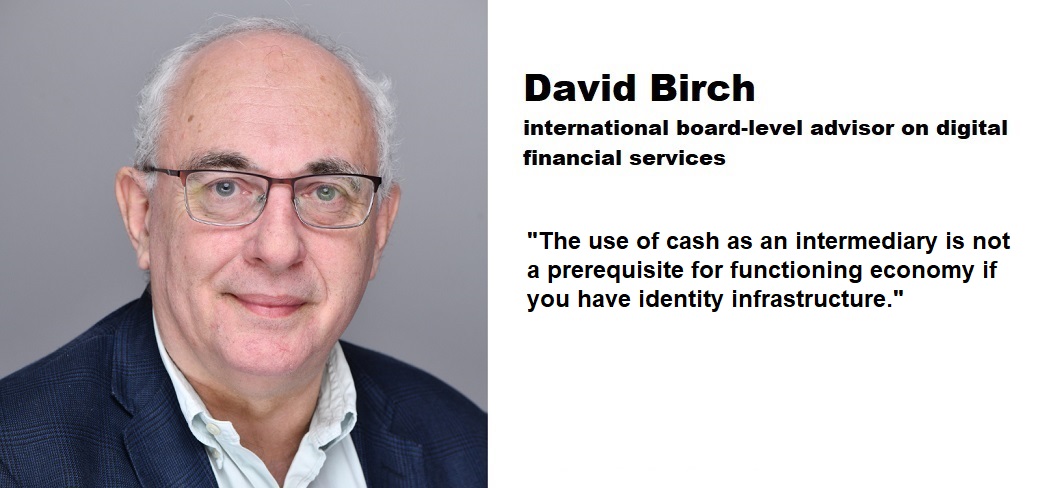
The key point is that the people exchanging cheques and IOUs knew each other’s reputation, and if they did not, they could soon find the necessary information to assess each other’s creditworthiness (generally from the pub). In our post-industrial economy, local means something different and it would be LinkedIn more than the landlord providing the connections, but you get the point. The use of cash as an intermediary is not a prerequisite for functioning economy if you have identity infrastructure.
Detailed studies show that during the strikes economic output and employment held up better than expected: official assessments reported that activity continued to grow, though at a slower pace, and overall macroeconomic impact was described as “small.” Instead of collapsing, the payment system re‑formed around non‑bank intermediaries, especially local shops, wholesalers and pubs, which cashed wage cheques, extended credit, and accepted personal cheques as “near‑money”. This demonstrates that money substitutes can work: non‑bank credit, cheques, and IOUs can maintain a large share of transactions when formal banks shut, especially in a relatively small, close‑knit economy.
Personal cheques, IOUs and informal book credit functioned as substitutes for bank deposits and cash, supported by dense local information about borrowers’ reputations. Publicans, shopkeepers and other community figures effectively acted as “informal bankers,” assessing creditworthiness based on long‑standing relationships and local gossip.
Social capital played a central role. In fact I think one of the main conclusions that I took from the studies of the impact of the strikes is that where people know each other’s reputations, cheques and credit circulate more freely, allowing wages and trade to continue despite the absence of banks. Studies link the strikes to temporary slowdowns in retail sales and investment, but not to a severe recession, and as the Bank of England note, the Irish economy did not implode.
In fact as Patrick Cockburn wrote a few years ago, when the financial crash came in 2008, Irish bankers turned out to be far more irresponsible than those who wrote cheques on beer mats a generation earlier.



Banking 4.0 – „how was the experience for you”
„To be honest I think that Sinaia, your conference, is much better then Davos.”
Many more interesting quotes in the video below: