Smile ID digital identity fraud report: 87% of failed biometric verifications in Southern Africa due to AI spoofing
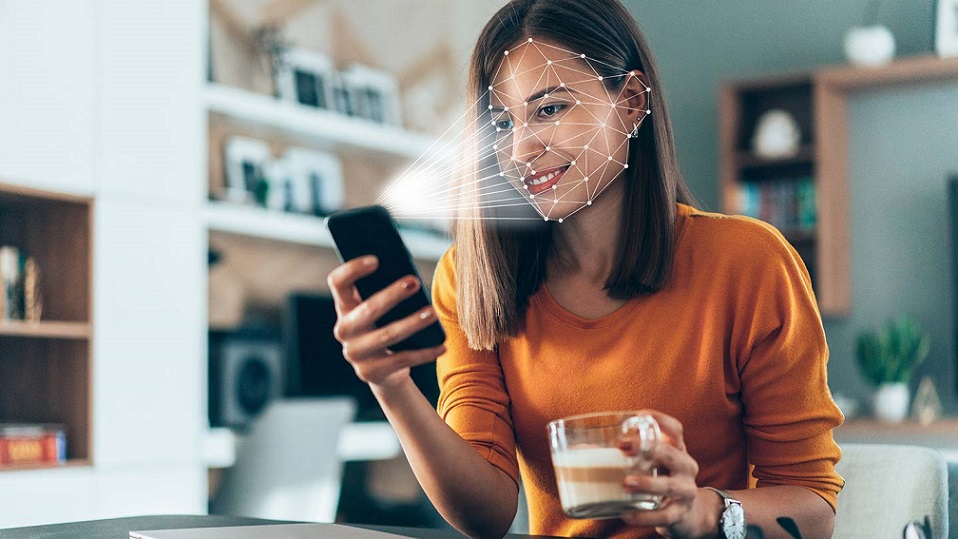
In Southern Africa, almost nine in ten (87 percent) rejected biometric verification attempts were connected to AI-assisted impersonation and spoofing, according to Smile ID’s 2026 Digital Identity Fraud Report. The report says “fraud is overwhelmingly biometric in Southern Africa,” a region that encompasses countries including Botswana, South Africa and Zimbabwe.
Meanwhile, Africa’s percentage of adults owning a financial account has risen from 34 percent to nearly 60 percent over the past decade. However, identity verification systems have largely stood still — tied to a one-time checkpoint model, Smile ID warns. Fraud has accelerated with the arrival of AI.
The figures were compiled from 200 million identity checks by Smile ID’s customer base across dozens of industries and 35 countries in 2025. The analysis covers the full identity lifecycle — onboarding, authentication, and high-risk account events — examining how fraud manifests at different stages of trust.
Smile ID found more than 160,000 fraudulent verification attempts in a single month in 2025, all of which were traced back to just 100 facial identities. “Some of these faces appeared over 12,000 times across multiple platforms,” the report says. Another case saw attackers use the same identity for more than a thousand account registration attempts within a space of 30 minutes.
“The most consequential fraud attacks today are targeted account takeovers (ATOs) — not fake IDs or isolated spoofs, but coordinated operations that compromise the capture pipeline, reuse real identities at scale, and exploit moments after approval when controls are lighter through highly scalable AI-powered tooling,” the reports claims.
Now the cost of each try is marginal — approaching zero — attackers can reuse the same identity assets across hundreds of thousands attempts.
Smile ID discovered that nearly 90 percent of verifications rejected for suspected fraud in 2025 were found to be using mobile SDK* (Software Development Kit) integrations. This was up from 15 percent in 2023 and 65 percent in 2024. Mobile SDKs can capture additional on-device signals, such as image integrity and user behavior, that API-only verification flows cannot see. Biometric injection attacks have surged to over 100,000 per month, with Smile ID detecting the shadow of emulators, tampered capture and virtual cameras.
_____________
An SDK (Software Development Kit) is a package of tools, libraries, and documentation that developers use to add functionality to an app without building it from scratch. Integration means connecting and configuring the SDK inside the mobile app’s code so the app can communicate with the external service. As a simple example, if you build a mobile app and want analytics, you might integrate the SDK from Google for Firebase.







Dariusz Mazurkiewicz – CEO at BLIK Polish Payment Standard
Banking 4.0 – „how was the experience for you”
„To be honest I think that Sinaia, your conference, is much better then Davos.”
Many more interesting quotes in the video below: